My method: AGIL

Good teaching does not follow a one-size-fits-all formula. Still, there are four things that matter to me in every lesson. The initial letters of the original German terms spell AGIL: abwechslungsreich (varied), ganzheitlich (holistic), individuell (individual), and lebensfroh (joyful).
AGIL method video (German)
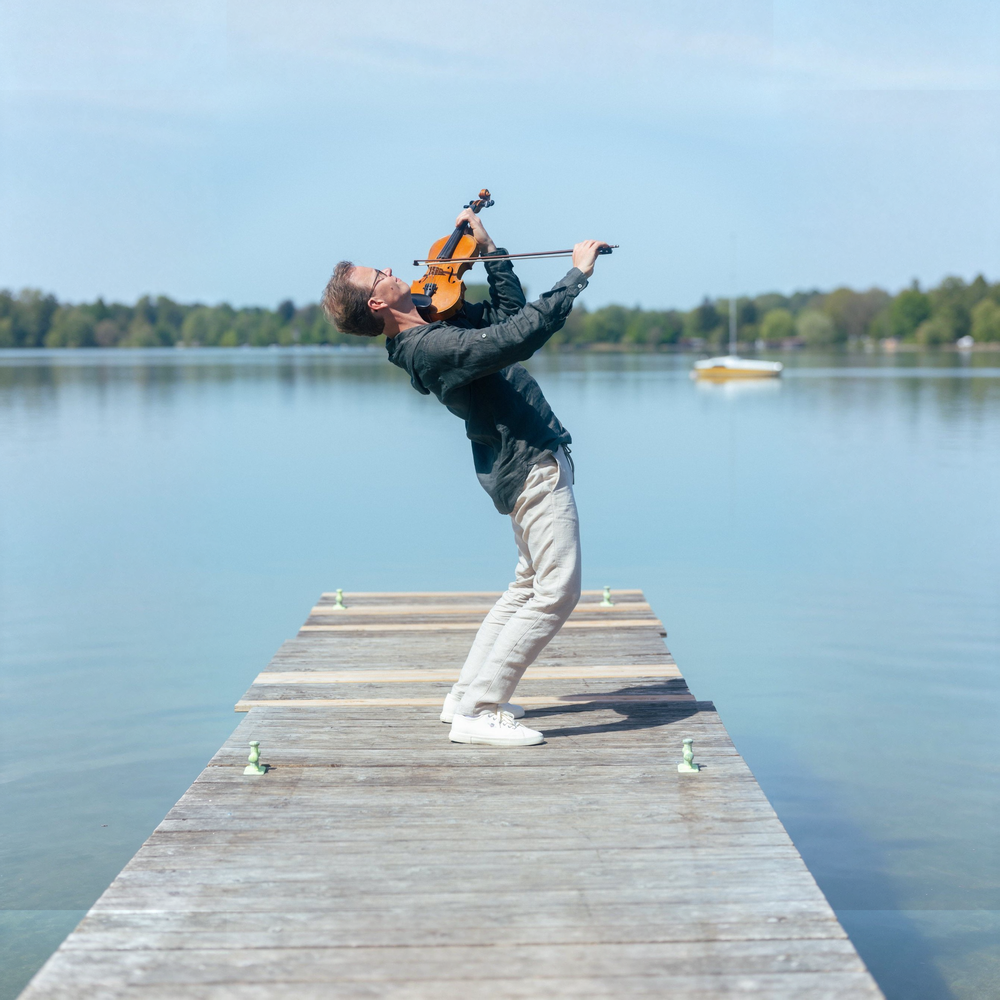
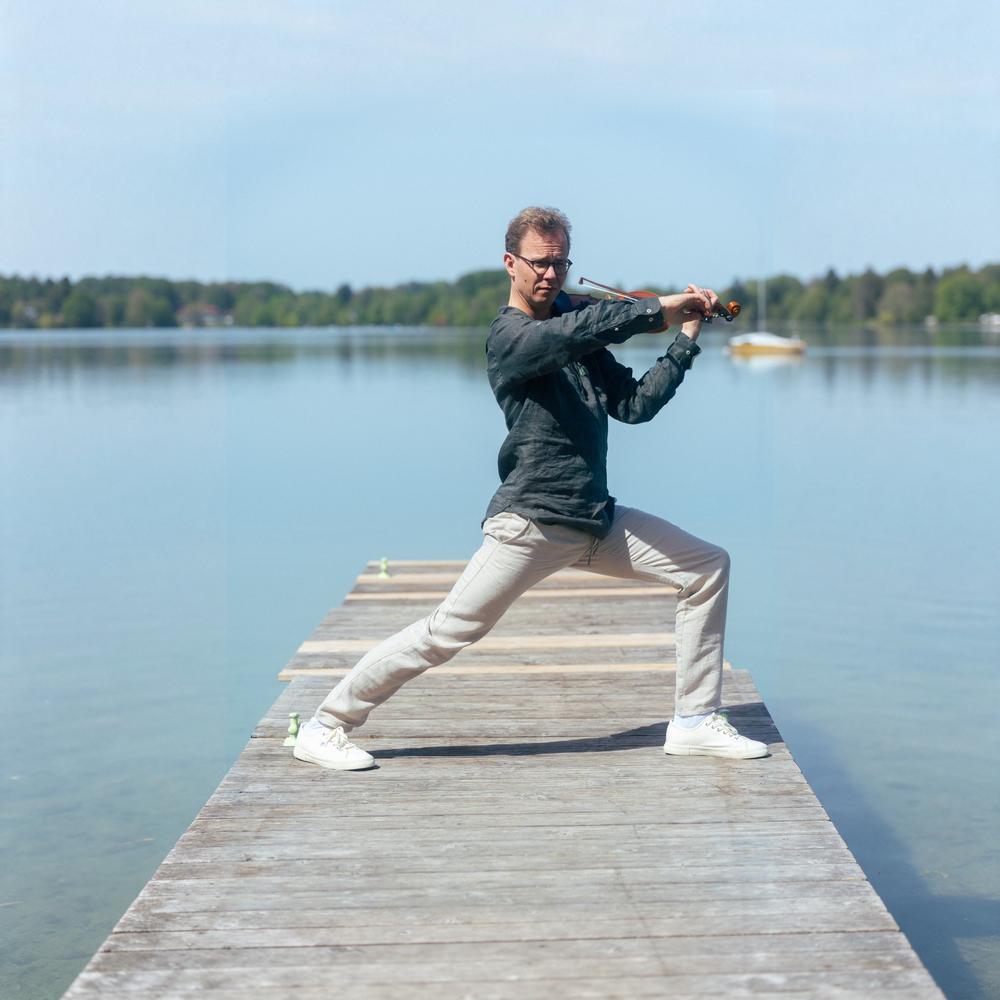
Jörg plays the violin in a wide lunge on the footbridge

A — Varied

A lesson with me is made up of building blocks: technique, pieces, improvisation, theory, sight-reading. Which ones we use depends on what is needed at the moment. I am just as open when it comes to the music itself. Classical music, film music, pop, folk: you bring what you would like to play.

For example: With a recording program, you record a short melody and play a second one over it. This creates your own piece.

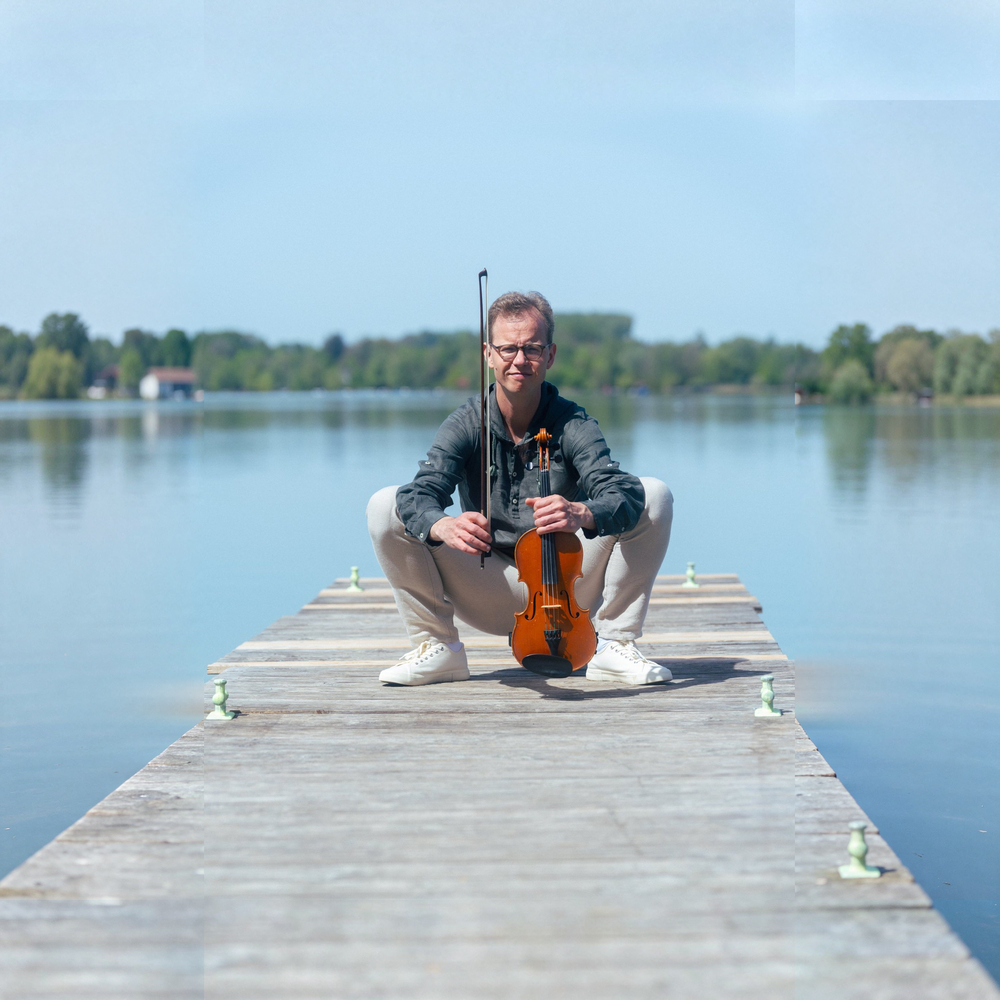
Jörg crouching with violin and bow

G — Holistic

Music does not arise only in the fingers. Posture, breath, attention and feeling play an equal part. I use what I bring from yoga, dance and theatre wherever it helps. Not as a compulsory program.

Practising with a system

Those who practise with a system need less time and enjoy it more. Instead of playing a passage the same way ten times, we focus our attention on something different each time: the bow hand, the shoulders, the breath or the story the music tells. This keeps practising exciting, and each repetition takes root in a new way.

I give my students these tools so that they can practise independently and meaningfully at home:

  • slow practice
  • mental practice
  • practice with expression and emotion
  • practice in flow
Jörg plays the violin leaning far back

I — Individual

Everyone learns differently and at their own pace. I look closely at what someone needs right now to move forward. Sometimes it is a technique, sometimes a different way of practising, sometimes simply a piece that is genuinely fun.

For example: One person practises for 30 minutes every day, another takes on two new bars. Both work when the plan fits into everyday life.

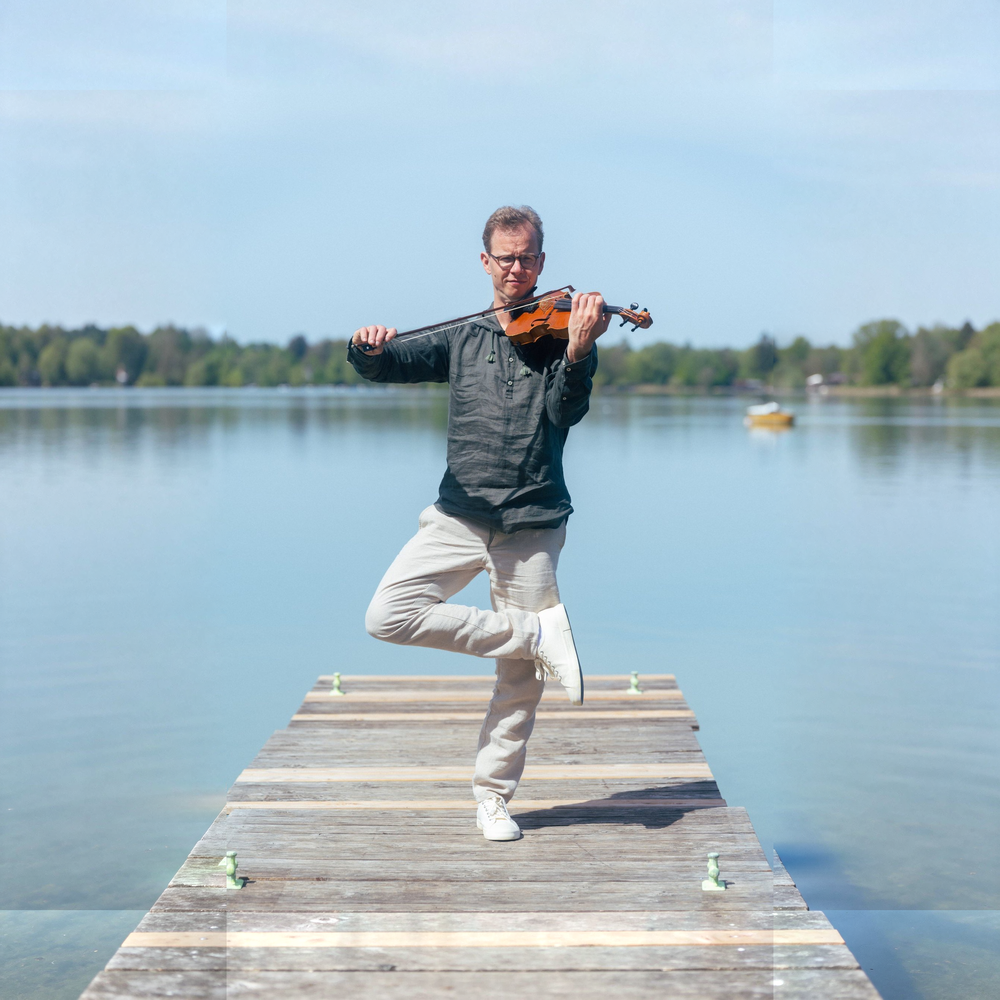
Jörg plays the violin on one leg in tree pose

L — Joyful

There is a lot of laughter with me. Humour and imagination can make even a difficult passage feel easy, and lightness usually gets you to the goal faster than tense, determined practice.

For example:

“Play this passage as if you were sitting on a big elephant while playing tennis.”

Sounds crazy. But afterwards, the passage often flows by itself.

Reading music, but differently

Over the years, I have developed my own way of teaching music reading. It works through seeing and touch rather than dry memorisation. My students, children and adults alike, are repeatedly surprised by how quickly it works.

Mentoring: when things get stuck

Sometimes it is not a question of ability. Before a performance, an exam or during a dip in motivation, blocks can arise that slow down practising. That is when I support you as a mentor.

More about mentoring →